Post Your Needs

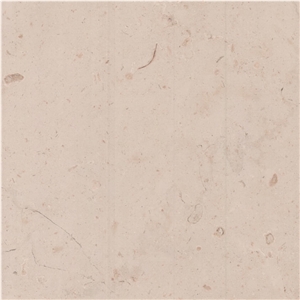
Montrem Limestone

Limestone

France

About

Item Details

Material Type:
Limestone
Origin:
France (Montrem, Dordogne department)
Recommended Usage:
planters, fountains, facade, urban street furnitures, building stone, ornamental stone, stairs, interior, exterior wall applications, mosaic, waterjet pattern, wall panels, table tops, balustrades, columns, wall and pool copings, pool pavers, fireplaces
Additional Names:
Montrem Grey Limestone, Montrem Shell Limestone, Pierre de Montrem, Pierre Montrem, Pierre Gris Montrem, in China stone market:蒙特朗(Méng Tè Lǎng)
Finished Surface:
Polished,Bush Hammered,Tumbled,Brushed,Honed,Split,Machine Cut,Natural Surface,Sandblasted,Combed,Leathered,Water Jet,Chiseled,Pickling

Testing

Water Absorption:
1.0 - 3.0% by weight
Density:
2450 - 2550 kg/m³
Flexural Strength:
8 - 11 MPa
Compressive Strength:
60 - 80 MPa

Description

Montrem Limestone is a warm, sandy beige to pale olive-tan limestone with a natural, earthy, and muted color palette. It displays subtle, swirling, cloud-like patterns in lighter cream and faint greyish tones, creating a soft, marbled appearance with gentle, organic movement and minimal contrast. Quarried in Montrem, Dordogne, southwestern France.

Texture & Structure:

Fine- to medium-grained, compact limestone with a soft, subtly granular texture. The surface has a gently marbled appearance with natural variations in tone and density.

Pattern & Veining:

Subtle swirling, cloud-like patterns in lighter cream and faint greyish tones flow organically across the surface. The pattern has low contrast and lacks sharp veining, creating a soft, naturally blended appearance.

Technical Characteristics (Indicative):

  • Water Absorption: 1.0–3.0% by weight
  • Density: 2450–2550 kg/m³
  • Flexural Strength: 8–11 MPa
  • Compressive Strength: 60–80 MPa
  • Hardness: approximately 3–4 Mohs

Mineral Composition (Indicative, % by weight):

  • Calcite: 90–97%
  • Dolomite: 1–5%
  • Quartz: 0–2%
  • Clay Minerals: 0–2%
  • Other Accessory Minerals: 0–2%

Chemical Composition (Indicative, % by weight):

  • CaCO₃: 88–96%
  • MgCO₃: 0.5–3%
  • SiO₂: 0.5–2%
  • Al₂O₃: 0.1–1.5%
  • Fe₂O₃: 0.1–1.5%
  • Other Oxides: 0–2%

Usage:

Suitable for interior and exterior flooring, wall cladding, façades, feature walls, bathrooms, vanity tops, fireplaces, stairs, patios, terraces, landscaping, and other architectural and decorative applications.

Finishes:

Honed, polished, brushed, sandblasted, tumbled, bush-hammered, and natural.

Maintenance:

Clean with a pH-neutral stone cleaner and a soft cloth or mop. Avoid vinegar, lemon juice, acidic cleaners, and abrasive products. Seal according to the application and porosity of the stone, particularly in bathrooms, kitchens, and exterior areas. Wipe spills promptly to help prevent staining.

FAQ

Can honed finish Montrem Limestone be used for pool coping?

Yes, honed finish Montrem Limestone can be used for pool coping, but there are several factors to consider. A honed finish gives a smooth and matte appearance, which can be aesthetically pleasing around a pool area. However, the suitability of Montrem Limestone for pool coping depends on its slip resistance, porosity, and durability. 1. **Slip Resistance**: Since pool coping is exposed to water, its important that the material provides adequate slip resistance to prevent accidents. A honed finish might be less slippery than a polished finish, but its still crucial to ensure that it meets any applicable safety standards. 2. **Porosity**: Limestone is a porous material, which means it can absorb water. This could lead to staining or structural damage over time, especially in a pool environment where it’s frequently in contact with water. Sealing the stone can help protect it, but regular maintenance will be necessary to maintain its appearance and integrity. 3. **Durability**: Limestone is generally durable, but its softer compared to other natural stones like granite. Consideration should be given to its ability to withstand pool chemicals, weather conditions, and potential wear and tear. 4. **Aesthetics and Compatibility**: Ensure that the appearance and color of Montrem Limestone complement the overall design and landscape of your pool area. Before making a decision, it would be wise to consult with a professional who can assess your specific needs and the characteristics of the Montrem Limestone you intend to use.
Read question details

Can Montrem Limestone be used as paving stone in areas with heavy snowfall in winter? Is it frost-resistant?

Montrem Limestone, like many natural stones, can be used as paving stone, but its suitability for regions with heavy snowfall and frost depends on its specific properties. Key factors to consider include its porosity, density, and overall frost resistance. 1. **Porosity and Absorption Rate**: If the limestone is highly porous, it might absorb water, which can freeze and cause the stone to crack or spall during freeze-thaw cycles. Its important to ensure that Montrem Limestone has a low water absorption rate. 2. **Density and Durability**: Denser limestone is generally more durable and better suited for outdoor applications in harsh climates. Youll want to check the specific density and compressive strength of the Montrem Limestone available to you. 3. **Frost Resistance**: Ideally, you should check if Montrem Limestone has been tested for frost resistance. This is usually measured by subjecting the stone to cycles of freezing and thawing to observe potential damage. 4. **Finish and Surface Treatments**: The finish of the stone can also affect its performance. For outdoor paving in snowy areas, rougher finishes might provide better traction and additional surface treatments can improve water resistance. 5. **Local Recommendations**: Consult with suppliers or professionals familiar with Montrem Limestone in similar climates, as they can provide insights on its performance in cold conditions. If Montrem Limestone is confirmed to be of high density and low porosity, or if its treated for enhanced resistance, it could be a suitable choice for paving in areas with heavy snowfall. Always verify with local stone suppliers or geologists to ensure its an appropriate material for your specific environment.
Read question details

How can I clean the grout of Montrem Limestone wall tiles?

Cleaning the grout of Montrem Limestone wall tiles requires care to ensure the natural stone is not damaged. Here’s a step-by-step guide to help you safely clean the grout: 1. **Gather Materials:** - pH-neutral stone cleaner - Soft-bristle brush or toothbrush - Microfiber cloths or sponge - Warm water - Sealant (if resealing) 2. **Initial Cleaning:** - Start by dusting or vacuuming the surface to remove any loose dirt or debris. 3. **Prepare a Cleaning Solution:** - Mix a pH-neutral stone cleaner with warm water according to the manufacturer’s instructions. Avoid harsh cleaners, bleach, or acidic solutions like vinegar, as these can damage limestone. 4. **Apply the Solution:** - Dampen a microfiber cloth or sponge with the cleaning solution and gently wipe down the grout lines. Be careful not to let excess liquid sit on the limestone. 5. **Scrub the Grout:** - Use a soft-bristle brush or toothbrush to gently scrub the grout lines. Work in small sections to avoid spreading dirt. 6. **Rinse:** - Wipe down the area with a clean, damp microfiber cloth to remove any residue from the cleaner. 7. **Dry:** - Immediately dry the area with a clean cloth to prevent water stains on the limestone. 8. **Inspect and Repeat:** - Check the grout for any remaining stains or dirt. Repeat the process if necessary. 9. **Seal (Optional):** - If your grout is unsealed or you notice it is absorbing stains easily, consider applying a suitable grout sealant. Ensure the sealant is compatible with natural stone. 10. **Regular Maintenance:** - Regularly dust and wipe down the tiles with a soft, damp cloth to prevent buildup. - Address spills immediately to prevent staining. Always test any cleaning solution on a small, inconspicuous area first to ensure it doesnt damage the limestone or grout.
Read question details

Is 20 mm thick Montrem Limestone durable enough for use as outdoor terrace pavers?

When considering Montrem Limestone, or any natural stone, for outdoor terrace pavers, its important to consider a few factors to determine if the material is suitable for your needs. Montrem Limestone has certain characteristics that might influence its suitability for outdoor use. 1. **Durability**: Limestone is generally durable, but its durability can vary depending on composition and density. For outdoor terrace pavers, a denser and less porous variety of limestone would be preferable as it is more resistant to weathering and wear. 2. **Thickness**: A 20mm thickness is somewhat on the thinner side for outdoor pavers. Thicker pavers, such as those 30mm or more, are usually recommended for outdoor applications, especially in areas with heavy foot traffic or if there is potential exposure to freeze-thaw cycles. 3. **Resistance to Weather**: Limestone can be sensitive to acidic rain and can show wear over time. The local climate and exposure conditions (e.g., freezing temperatures, heavy rain) will affect limestones long-term durability. 4. **Texture and Finish**: Consider how the surface finish will behave under wet conditions. A honed or textured finish might be preferable to provide slip resistance, especially in outdoor settings. 5. **Maintenance**: Limestone may require sealing and periodic maintenance to preserve its appearance and resist stains and weather effects. In conclusion, while a 20mm thick Montrem Limestone might be adequate for outdoor terrace pavers in some scenarios with mild weather and low foot traffic, it would generally be more suitable to choose a thicker and more robust stone for long-term durability and performance, especially in harsher climates. Always consult with a local stone supplier or professional to get a better insight tailored to your specific project and location conditions.
Read question details

Does tumbled finish Montrem Limestone floor tiles scratch easily?

Tumbled finish Montrem Limestone tiles are generally less prone to scratching compared to polished finishes. The tumbled finish gives the stone a more rustic, aged appearance and enhances its natural texture, which can help hide minor scratches or wear over time. However, like all natural stone, limestone is relatively soft compared to materials like granite or porcelain and can still be susceptible to scratches, especially in high-traffic areas or when exposed to abrasive materials. To minimize scratching, its important to regularly clean the tiles with a soft brush or mop and use non-abrasive pads when cleaning. Additionally, placing mats or rugs in high-traffic areas and using felt pads under furniture can help protect the surface from scratches. Sealing the limestone can also add an extra layer of protection, helping to prevent damage and stains.
Read question details

What does vinegar do to Montrem Limestone floor tiles?

Vinegar is acidic, and using it on Montrem Limestone floor tiles, or any limestone surface, can be damaging. Limestone is a calcium carbonate-based stone, which is sensitive to acidic substances. When vinegar comes into contact with limestone, it can lead to etching, dulling, and pitting of the surface. The acid in the vinegar reacts with the calcium carbonate, causing a chemical reaction that can erode the stone and ruin its finish. If you need to clean limestone tiles, its best to use a pH-neutral cleaner specifically designed for stone surfaces, or simply warm water with a mild dish soap. Always avoid acidic or abrasive cleaners to maintain the integrity and appearance of your limestone flooring.
Read question details

Hot Limestone

New Limestone

Post Your Request

The request includes:
  1. surface finished, size
  2. quantity required